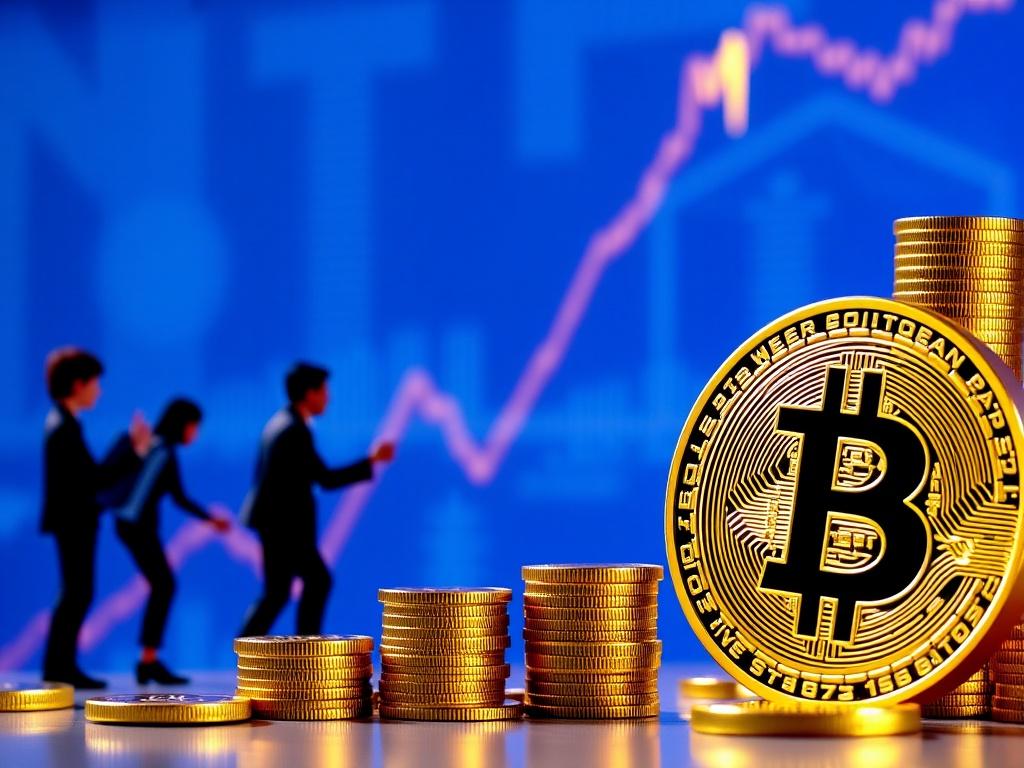
Markets move for reasons both obvious and obscure, and bitcoin’s latest ascent has investors poking at both. Why Is Bitcoin Going Up Today? Experts Explain the Latest Surge, a question circulating on desks and in chatrooms, and the answers are layered rather than singular. This article walks through the mix of triggers—news, flows, on-chain signals, and the macro backdrop—that pushed prices higher and what to watch next.
Immediate news catalysts that lit the fuse
Short-term rallies often start with a concrete event: an announcement, a regulatory nod, or an unexpected macro print. In recent sessions, a handful of headlines—ranging from approval-related whispers around spot bitcoin products to softer-than-expected inflation data—acted as ignition points that pulled traders off the sidelines.
Those headlines mattered because they changed expectations quickly. When a perceived barrier to mainstream adoption slips, even slightly, traders reprice the probability of big institutional flows and higher long-term demand, which can create an outsized move in a market that’s already thin at key levels.
Institutional demand and the ETF effect
Institutional interest is the most consistent structural story behind bitcoin’s price since late 2020. Professional investors and asset managers view regulated spot bitcoin exchange-traded products as an easier way to gain exposure without custody headaches, and that demand can equate to persistent buying pressure on spot markets.
Flows into spot products, custodial inflows at exchanges, and larger balance-sheet allocations from corporations all add up. A clear path from investor demand to on-chain supply reduction is a powerful feature: when large amounts of bitcoin move into cold storage or ETF custody, available float tightens and upward pressure on price increases.
On-chain indicators: supply, whales, and miner behavior
On-chain data gives a transparent read on supply dynamics, and recent metrics point toward shrinking available supply. Metrics like net exchange flows turned negative for several weeks, meaning more coins left exchanges than arrived, which often precedes rallies as sellers become less immediately available.
Mining behavior also plays a role. After halving events or periods of elevated electricity costs, miners can choose to hold rather than sell, reducing daily sell-side pressure. Large whale transactions into cold wallets signal long-term intent and can nudge market psychology toward optimism.
Macro backdrop: rates, dollar strength, and risk appetite
Bitcoin does not live in a vacuum; it corrolates with broader risk assets and macro trends. Lower-than-expected inflation prints or hints of a slower path for interest rates can increase the appeal of alternative stores of value, prompting reallocation from cash and short-term bonds into riskier, higher-return assets like bitcoin.
The U.S. dollar’s moves matter too. A weakening dollar often coincides with higher commodity and crypto prices because buying power shifts. When equity markets rally and volatility falls, risk-on sentiment can amplify bitcoin’s move as investors seek asymmetric upside.
Derivatives, leverage, and short-covering dynamics
Derivatives markets can accelerate moves because they concentrate leverage and forced reactions. If a large number of shorts exist at key levels, a rapid uptick can trigger margin calls and short squeezes that push price higher in compressed timeframes.
Open interest and funding rates are useful to watch: positive funding and rising open interest indicate leaning long and can sustain a rally, while extremes in either direction raise the chance of violent retracements. Traders who monitor these metrics can better understand whether a move is broad-based or a fragile squeeze.
Regulatory clarity and sentiment shifts
Any improvement in regulatory clarity—whether clearer rules on custody, tax treatment, or permissible retail investment products—reduces perceived legal tail risk. When market participants believe regulations will be favorable or at least predictable, capital that was previously hesitant becomes more willing to commit.
Sentiment is contagious. Institutional commentaries, analyst upgrades, and high-profile endorsements can change the narrative quickly. As stories pile up that suggest wider adoption, markets can shift from skeptical to inquisitive to invested in a matter of days.
What experts are saying and practical takeaways
Analysts often frame the recent surge as the intersection of constructive news flow and structural demand rather than a single seismic event. Many emphasize that while short-term spikes can be sharp, sustainable upside usually requires continued flows into custody and steady macro support.
From my own trading desk experience, I’ve seen how a single piece of certainty—an ETF filing nuance clarified, an unexpected corporate buy—can flip a market’s tone overnight. Risk management matters: set sizing, staggered entries, and predefined exit rules help navigate the volatility that comes with fast rallies.
Signals to watch and a simple catalyst table
For readers wanting a practical checklist, watch these signals: net exchange flows, ETF inflows, funding rates, macro prints (inflation, employment), and official regulatory communications. These indicators, taken together, provide context beyond headlines and help anticipate momentum shifts.
| Catalyst | Why it matters |
|---|---|
| Spot ETF inflows | Reduces liquid supply, signals institutional adoption |
| Negative exchange flows | Less sell-side inventory available |
| Soft macro data | Raises appeal of risk assets and alternatives |
| Regulatory clarity | Removes legal uncertainty for big investors |
Final considerations for readers
Short-term price action can feel dramatic, but understanding the mix of catalysts turns noise into signal. Keep an eye on flow data and macro updates, and treat fast rallies with both interest and caution.
Markets are complex and adaptive, and today’s surge reflects a confluence of structural demand, improving sentiment, and timely news. Stay curious, manage risk, and use the available data to make informed decisions as the story unfolds.
